How to talk about sex in therapy
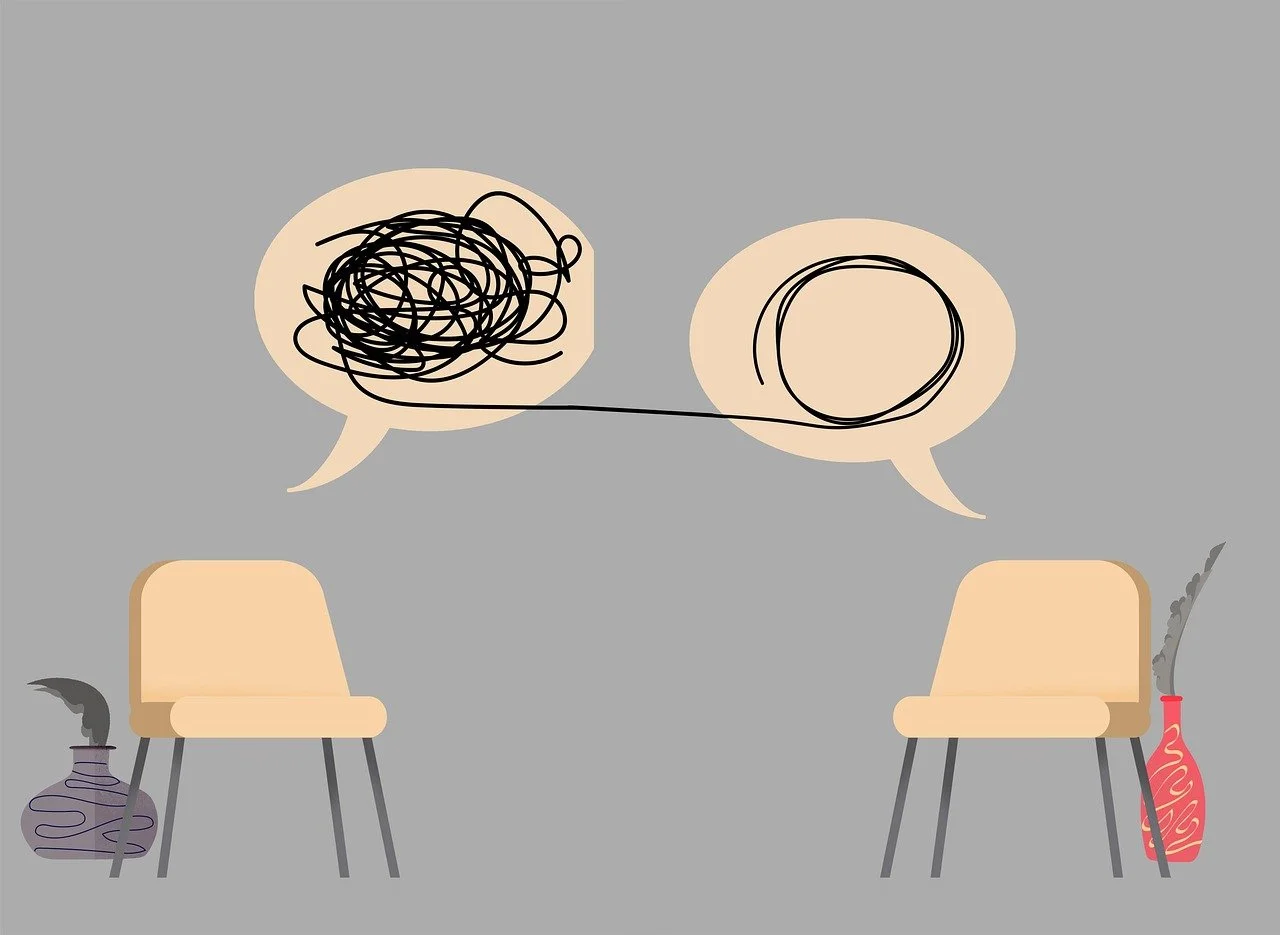
If it feels hard for you to talk about sex in therapy, you are not alone. While starting any conversation in therapy can feel hard, conversations about sex can feel especially vulnerable. Sex is personal, and often shaped by stigmas or mixed messages.
Sexual concerns, which may surround pleasure, communication, identity, boundaries, shame, or curiosity, deserve space in therapy. If left unspoken, sexual concerns can impact your relationship with yourself and others.
Therapy offers a safe space where these conversations can be held. In therapy, you decide the pace at which to move. You are in control of deciding when and what you want to talk about. Talking about sex in therapy should not feel forced, and it’s okay to take it slow.
So, why is sex so hard to talk about?
From a young age we learn not to talk about it. even within the closest of friends, sex may not be talked about openly. Cultural norms, religious messaging, past experiences, and societal expectation all tell us to avoid this topic at all costs, which can create feelings of shame for some.
Conversations about sex require a deeper level of emotional openness, vulnerability, and trust. Sexual concerns are often closely tied to identity, relationships, or past experiences of trauma, which can make them especially sensitive to explore. For members of the LGBTQ+ community or those navigating non-traditional relationship dynamics (non-monogamy, kink, etc.), these concerns may feel even more pronounced due to stigma, misunderstanding, and/or past invalidating experiences.
Many people consider talking about sex in therapy but hesitate due to a variety of psychological and social factors. Limited sexual education, uncertainty about where to find support, fears about privacy or judgment, and past negative experiences can all make talking about sex in therapy feel daunting. Having a therapist who is affirming and knowledgeable about discussing sex can make a big difference.
Tips for beginning the conversation with your therapist
Prepare
To help you feel more prepared, consider writing down your thoughts or goals ahead of time. Some people find it helpful to keep a running list of topics and experiences to explore in therapy. This might look like noting questions, challenges or concerns, emotions, or stand-out moments from the week. Putting your thoughts into words before a session can make it feel easier to start the conversation, focus inward, and help you notice patterns over time.
Don’t wait for the ‘right words’ to begin the conversation
We get it, sex can be awkward to talk about. Many people worry that they need to know exactly what to say before bringing sexual concerns up in therapy. There are no magic words, or right or wrong ways to get the conversation going.
To start, you could say, “There’s something about sex I want to talk about, but it feels awkward” or “I’m not sure how to explain this.” Most therapists welcome discomfort, hesitation, and uncertainty, and naming these feelings can be a beneficial first step. Afterall, therapists are trained to help guide these conversations.
Be patient and trust the process
Placing trust in a therapist, particularly one who you may not know very well yet, can feel risky. But, the process must begin somewhere, and you don’t need to reveal everything at once. It’s important to remember that therapeutic progress may feel minimal at first, yet even the smallest wins should be celebrated. Your therapist is a professional, and it's their job to handle these topics with expertise and sensitivity. By keeping an open mind to your therapeutic journey, you will allow yourself the best opportunity to see substantial change and progress in your goals.
What to expect from your therapist (and when to look for a sex therapy specialist)
Some people hesitate to talk about sex in therapy or choose to hold back out of concern about how their therapist will respond. You may fear being judged, misunderstood, or met with discomfort from your therapist. Those hesitations make sense. These feelings can feel particularly apparent if you’ve been met with judgment or shame from others when trying to talk about sex. But, remember, therapists are trained to handle awkward conversations.
Still, some therapists are not equipped to talk about sex in session. If you’re not sure that your therapist will be comfortable talking about sex, ask them. You could say “I’d like to talk more about my sex life in therapy. Is that okay?” “I wonder if you have any training or interest in talking about sex/sexuality/etc. Can you tell me more about that?” “How much detail are you comfortable with me sharing? Should I keep this high level?” Remember, you can start slowly and see how it goes. Notice if your therapist is asking for more details or avoiding the conversation. If it feels like you aren’t getting the support you need, it may be time to talk to sex therapist.
A sex therapist, or someone who is specifically trained in talking about sexuality, may be a better fit for you if:
You get the vibe that your current therapist isn’t fully comfortable talking about your issues, for any reason,
You are experiencing medical issues affecting your sex life (including pain),
You want to talk about kink, BDSM, or non-monagamy,
You want to talk about a sexual concern in detail, or for more than a few sessions.
You can always ask your therapist for a referral, or you can look online. Here’s a helpful guide to finding a sex therapist.
At the Center for Intimacy and Relationships, our licensed clinicians specialize in talking about all things sexuality, and want to help you do the same. Here, you will find affirming, inclusive, and nonjudgmental support. Our therapeutic work together is guided by the following care standards:
Openness: Openness is central to our therapeutic approach. We aim to serve you and your needs, which includes being receptive to all aspects of your sexual experiences. For us, that means creating a safe and affirming space for any topic to be initiated and discussed, responding with respect and meeting you with curiosity and care.
Affirming approach: Above all else, our therapists’ primary role is to understand you, not to judge your experiences or sexual preferences. We welcome you as you are, including people in the LGBTQIA+, kind, BDSM, and polyamorous communities.
Guidance: Oftentimes, folks know that they want to talk about sex with their therapist, but may be unsure where to begin. By asking clarifying questions to help you explore the 'why' behind your feelings, our therapists can better guide your concerns and goals into meaningful therapeutic dialogue.
Down to earth approach: Sex is a normal part of life and relationships. We understand that talking about sex can feel hard, especially when talking about sexual challenges you may be experiencing in or outside of your relationship(s). We want to normalize these complex feelings, and further a culture of openness among our client base and within the DC community.
Sex is influenced by emotional health, relationships, communication patterns, stress, trauma, and many others. Rather than focusing on performance or attempting to “fix” something, sex therapists hold space for curiosity, complexity, and uniquely-tailored approaches to fit your needs.
Take the next step
Waiting for the “right time” or the “right words” to talk about sex with your therapist? Consider this encouragement to begin your journey.
If you’re in the DC area and looking for specialized, sex-positive therapy, reach out now. Sessions are available in-person or online throughout the DMV. Schedule a free video introduction with one of our therapists at the Center for Intimacy and Relationships to get started.